

School Swimming Programmes in Dubai: What to Look For
Swimming in Dubai Schools: Why It Matters
Swimming is a life-critical skill in a city where summer temperatures make sea and pool activity a central part of life, where residential communities typically include shared pools, and where the UAE government has prioritised water safety education. Many Dubai private schools include swimming as a mandatory element of the Physical Education curriculum from Year 1 or Year 2 onwards. For parents of children who cannot yet swim — or who have a fear of water — understanding the school's swimming programme is an important part of the school selection process.
How School Swimming Works in Dubai
School swimming lessons in Dubai typically follow one of two models:
- On-site pool: Premium and mid-tier schools with 25-metre indoor or outdoor pools deliver swimming lessons using their own pool and either in-house certified swimming teachers or contracted specialist swimming coaches. Lessons are typically 45–60 minutes per week as part of the PE timetable.
- Off-site pool: Schools without on-site facilities contract with a local hotel, sports club or community pool. Students travel by coach (during school hours) for their allocated swimming sessions. This is more common for lower-fee and CBSE schools.
In both cases, swimming lessons are typically mandatory for students below a certain competency level. Students who demonstrate swimming proficiency (usually by passing a timed distance test) may be moved to water polo, lifesaving or other aquatic activities.
What Quality School Swimming Looks Like
A well-run school swimming programme has the following characteristics:
- Level-based grouping: Students are assessed at the start of the academic year and grouped by ability, not by class or year group. Non-swimmers receive foundational lessons; advanced swimmers receive more challenging training.
- Qualified instructors: ASA (Amateur Swimming Association), STA (Swimming Teachers' Association) or equivalent certified swimming teachers. Not PE generalists assigned to cover swimming without specialist training.
- Pool temperature: Water maintained at 28–30°C for school lessons. Cooler temperatures reduce lesson quality significantly and increase the risk of reluctance for younger students.
- Pool size: A 25-metre pool is the standard. Smaller pools limit the number of lengths achievable in a lesson and restrict the development of distance swimming.
- Safety: Poolside ratio (lifeguard to swimmers) of 1:15 or better; poolside first aid kit; clear non-swimmer marking system; entry/exit supervision.
- Communication: Regular updates to parents on swimming progress — at minimum at the start and end of each term.
Schools with Excellent Swimming Facilities in Dubai
Schools with particularly well-regarded swimming facilities and programmes include:
- GEMS Wellington International School: Olympic-standard 50-metre pool; specialist swimming team competing in DASSA inter-school championships
- Repton School Dubai: 25-metre indoor pool; dedicated swimming coaches; competitive inter-school programme
- Kings' School Dubai: 25-metre pool; strong swimming programme from FS2 upwards; swim team competing regionally
- Hartland International School: 25-metre pool; new, well-maintained facilities; specialist aquatics staff
- Dubai British School Jumeirah Park: 25-metre pool; very strong community swimming culture
What to Ask Schools About Swimming
- Does the school have an on-site pool, or do students travel off-site?
- How often do students swim, and for how long per session?
- Are swimming lessons level-based? How are students assessed and grouped?
- Who teaches swimming — in-house swimming teachers or contracted coaches?
- What qualifications do the swimming instructors hold?
- What is the policy for students with a water phobia or significant non-swimmer status?
- Does the school have a competitive swimming team? What competitions do they enter?
Water Safety Beyond School
If your child has not yet learned to swim independently before starting school, consider enrolling them in private swimming lessons at a community pool or hotel during the pre-school period. Key operators in Dubai include Aqua Swim School, Swim Academy (various hotel pools), and Total Swimming. Early water confidence dramatically improves the school swimming experience and — most importantly — reduces drowning risk throughout life in a water-surrounded city.
Conclusion
Swimming is more than a sport in Dubai — it is a fundamental safety skill and a core component of the PE curriculum at most quality schools. When evaluating schools, investigate the swimming programme with the same rigour as academic provision. A school with an excellent 25-metre pool, qualified specialist instructors and a structured progression programme is delivering genuinely important developmental value. Use Search Your School to identify schools with on-site pools in your preferred area.
Related Articles
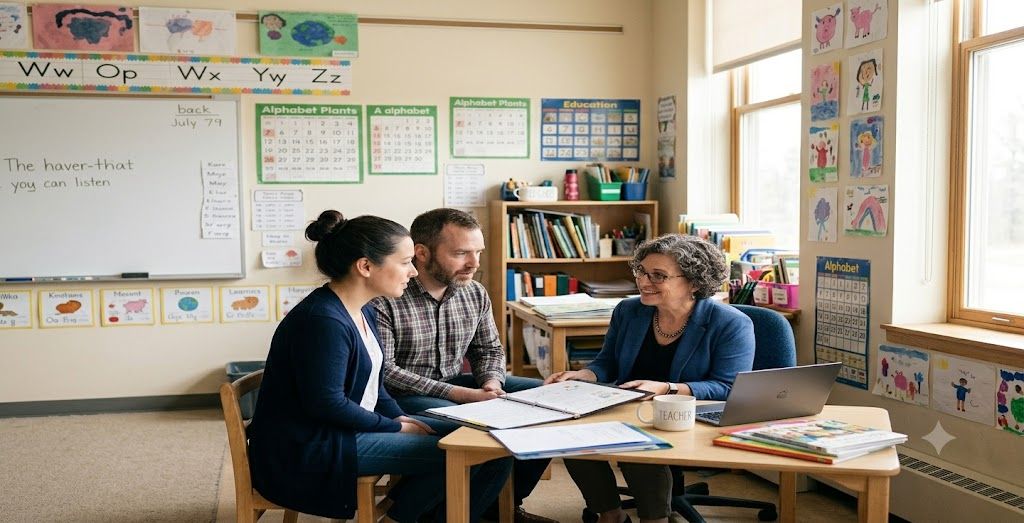
The Parent-Teacher Partnership: A Parent’s Guide to Building the Ultimate Support System
Building a strong partnership with your child's teacher is one of the best ways to boost their confidence, grades, and social skills. This guide offers simple, practical ways to build a unified support system from day one. Proactive Communication: Send a quick introductory email in the first 2–3 weeks of school, and keep the teacher updated on any major changes at home so they can offer extra support. Shared Expectations: Align home and school routines—like using "growth mindset" language during homework—to give your child a consistent, secure environment. Combine Expertise: Your deep knowledge of your child paired with the teacher's professional experience creates a strong safety net so no student slips through the cracks. By treating teachers as teammates, parents can turn school-year friction into a supportive, collaborative success.
Read more →
School Transport vs. Living Close: Managing the Real Costs of School Commutes in Dubai
Choosing between a cheaper neighborhood and a premium hub next to your child's school is a major financial decision for Dubai families. This numbers-driven breakdown compares the true cost of paying for school bus transport from a community like Jumeirah Village Circle (JVC) against paying a rental premium to live next door in a hub like Al Barsha. The Rental Premium Gap: Moving closer to premium school hubs like Al Barsha typically commands a rental premium of AED 30,000 to AED 50,000 per year for a standard family apartment or villa compared to value communities like JVC. The Compounding Bus Tax: School bus fees in Dubai average AED 8,000 to AED 12,000 per child annually; for a family with 3 children, long-distance transport costs alone can reach up to AED 36,000 per year, instantly erasing most of the rental savings. The Heavy Time Toll: Living further away subjects children to a daily time tax of 60 to 90 minutes spent in peak-hour traffic, adding significant stress and reducing time available for sleep, homework, and family life. Ultimately, this guide serves as a practical decision tool showing that cheaper rent is often an illusion once transport costs and multiple children enter the equation. By weighing the raw numbers against lifestyle quality, families can identify the true tipping point where paying a rental premium actually saves both money and peace of mind.
Read more →
Creating a Homework Sanctuary: How to Design a Study Space Kids Actually Want to Use
Creating a dedicated, sensory-friendly study space helps kids focus, build independence, and reduce study fatigue. This practical guide offers simple strategies to transform any corner of your home into an inviting homework spot—no dedicated office required. What you’ll learn: Smart Setup & Ergonomics: Why keeping study areas away from beds protects sleep and keeps kids alert. Sensory Control: How natural light and low digital distraction reduce cognitive fatigue during homework time. Routines & Organization: Simple hacks—like post-school brain breaks and portable supply caddies—that eliminate pre-homework friction. Involving your child in building their study zone builds long-term ownership, turning daily homework battles into calm, predictable wins.
Read more →