

Creating a Homework Sanctuary: How to Design a Study Space Kids Actually Want to Use
Between digital distractions, after-school fatigue, and the natural urge to procrastinate, sitting down to study can be a daily battle for kids. One of the most effective ways to support your child’s learning is to create a dedicated homework sanctuary at home.
This is not just a place to store pencils. It is a designated, physical cue that tells your child’s brain that it is time to focus. Here is how you can set up a calm, productive, and inspiring study zone that your child will actually want to use.
1. Location is Everything
The ideal study spot balances quiet focus with accessibility.
Avoid the bed: Working in bed can disrupt sleep patterns and make kids feel sluggish. Keep work and sleep spaces strictly separate.
Keep it central but quiet: While some kids thrive in a quiet corner of their bedroom, younger children often need to work near a parent for guidance. A designated end of the kitchen table or a small desk in the living room can work perfectly, provided background distractions, like the TV, are turned off.
Consistency is key: Whichever spot you choose, make sure it is their designated area every single day.
2. Control the Sensory Environment
A workspace that feels good will help your child focus longer and experience less mental fatigue.
Light the way: Good lighting prevents eye strain and drowsiness. If possible, set up the study space near a window for natural light, or add a bright desk lamp with warm light.
Minimize digital noise: Keep smartphones, tablets, and gaming consoles in a separate room during study hours, unless they are actively required for a school assignment.
Comfortable seating: Ensure your child's chair allows them to sit comfortably with their feet flat or resting on a support, keeping their back relatively straight to maintain alertness.
3. Stock the Sanctuary
Nothing derails focus faster than a 15 minute search for a missing ruler or a sharpened pencil.
Use a portable helper: If you use a shared space like the dining table, keep all school supplies in a portable caddy, bin, or rolling cart. When homework time starts, roll it out; when work is done, pack it away.
Keep only the essentials: Pens, pencils, paper, calculators, and highlighters should be within arm's reach. Keep clutter to an absolute minimum to avoid visual distraction.
4. Establish the Sanctuary Ritual
A physical space is only as good as the routine built around it. To make the most of the homework sanctuary, establish a daily ritual.
A brain break first: Give your child a light snack and at least 20 to 30 minutes of unstructured downtime to decompress after school before they enter the study zone.
The focus routine: Let them set a timer, choose some instrumental background music if they prefer, and lay out their assignments before starting. This helps their mind transition smoothly into work mode.
The Big Picture: You do not need a massive home or a dedicated home office to make this work. A simple, clean, quiet corner supplied with the right tools can make homework feel less like a chore and more like a manageable, positive part of your child's daily routine.
Conclusion: A Space of Their Own
At the end of the day, a homework sanctuary is about more than just academic performance. It is about giving your child ownership over their learning journey. By involving them in the process of choosing the spot, selecting the supplies, and setting up the space, you show them that their education is valuable and worthy of its own special place in your home. With the right
Related Articles
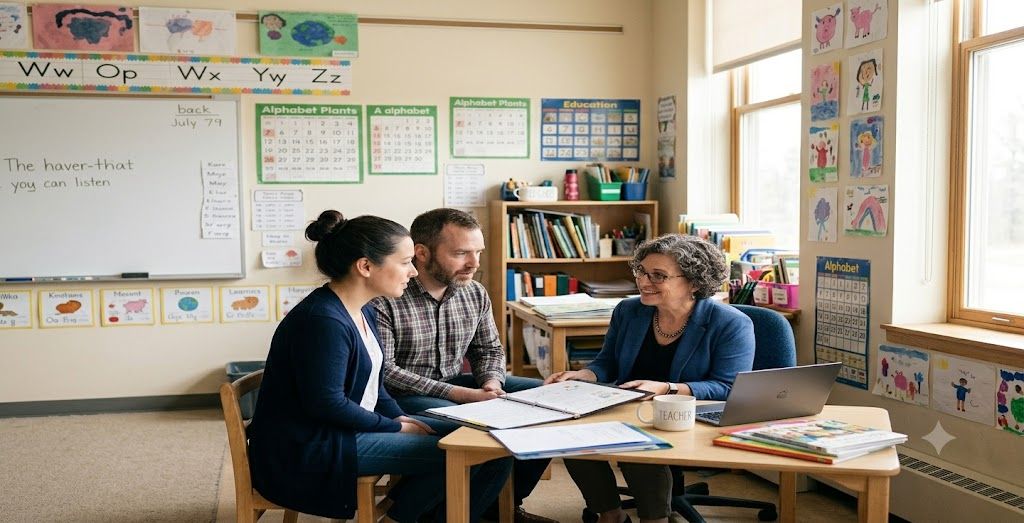
The Parent-Teacher Partnership: A Parent’s Guide to Building the Ultimate Support System
Building a strong partnership with your child's teacher is one of the best ways to boost their confidence, grades, and social skills. This guide offers simple, practical ways to build a unified support system from day one. Proactive Communication: Send a quick introductory email in the first 2–3 weeks of school, and keep the teacher updated on any major changes at home so they can offer extra support. Shared Expectations: Align home and school routines—like using "growth mindset" language during homework—to give your child a consistent, secure environment. Combine Expertise: Your deep knowledge of your child paired with the teacher's professional experience creates a strong safety net so no student slips through the cracks. By treating teachers as teammates, parents can turn school-year friction into a supportive, collaborative success.
Read more →
School Transport vs. Living Close: Managing the Real Costs of School Commutes in Dubai
Choosing between a cheaper neighborhood and a premium hub next to your child's school is a major financial decision for Dubai families. This numbers-driven breakdown compares the true cost of paying for school bus transport from a community like Jumeirah Village Circle (JVC) against paying a rental premium to live next door in a hub like Al Barsha. The Rental Premium Gap: Moving closer to premium school hubs like Al Barsha typically commands a rental premium of AED 30,000 to AED 50,000 per year for a standard family apartment or villa compared to value communities like JVC. The Compounding Bus Tax: School bus fees in Dubai average AED 8,000 to AED 12,000 per child annually; for a family with 3 children, long-distance transport costs alone can reach up to AED 36,000 per year, instantly erasing most of the rental savings. The Heavy Time Toll: Living further away subjects children to a daily time tax of 60 to 90 minutes spent in peak-hour traffic, adding significant stress and reducing time available for sleep, homework, and family life. Ultimately, this guide serves as a practical decision tool showing that cheaper rent is often an illusion once transport costs and multiple children enter the equation. By weighing the raw numbers against lifestyle quality, families can identify the true tipping point where paying a rental premium actually saves both money and peace of mind.
Read more →
The Friday 11:30 AM Cut-Off: Navigating Dubai's New School Timings
New Dismissal Policy: All Dubai private schools and early childhood centers have officially shifted to a permanent Friday morning dismissal time of 11:30 AM. Alignment with Prayer Times: This regulatory update from the KHDA aligns with the nationwide shift of Friday congregational prayers to 12:45 PM. School Routine Changes: To adapt to shorter Friday hours, campuses are rearranging schedules, optimizing bus routes, and providing on campus supervision for working parents. Online Learning Options: High school students in Grade 6 or Year 7 and above can access remote online learning on Fridays if the school secures KHDA and parental approval. Logistical Tips for Families: Parents can minimize stress by arranging carpools, establishing immediate post pickup lunch routines, and organizing weekend homework early.
Read more →