

How School Rankings Work in Dubai: KHDA vs Independent Rankings Explained
The Multi-Source Problem in Dubai School Research
When parents research Dubai schools, they encounter multiple, sometimes contradictory, sources of ranking and quality information: the official KHDA inspection rating, independent ranking sites, parent review platforms, social media groups, anecdotal recommendations and school marketing materials. Each source has different methodology, different biases and different limitations. Understanding how to read and weigh these sources is essential for making a genuinely informed school choice.
KHDA Ratings: Strengths and Limitations
Strengths:
- Conducted by trained professional inspectors using a standardised framework
- Based on first-hand observation of teaching, student work, leadership and facilities
- Publicly available, consistent and covers every Dubai private school
- Full reports published (not just headline ratings) providing nuanced detail
Limitations:
- Snapshot in time — may not reflect significant improvement or decline since the last inspection
- Average across the whole school — can mask excellent or weak provision in specific departments
- Does not capture culture, community feel, parent satisfaction or non-academic quality
- Inspection frequency is 2–3 years for higher-rated schools — a school's current reality may differ significantly from the last rating
Independent Ranking Sites
Several websites publish annual Dubai school rankings. These typically use one or more of the following data sources:
- KHDA ratings (simply repackaged)
- Collected examination results (IGCSE, A-Level, IB scores)
- Parent survey data
- School-submitted data (subject to self-reporting bias)
Key caution: Rankings that claim to rank schools "independently" but whose methodology is opaque or whose ratings align suspiciously well with fee levels should be treated with scepticism. A ranking that predominantly puts expensive schools at the top may simply be tracking price, not quality.
Parent Review Platforms
Parent review sites and community forums provide invaluable insight into lived experience — the kind of information no inspection can capture. However, they carry specific biases:
- Selection bias: Parents with strongly positive or strongly negative experiences are more likely to review than those with average experiences
- Timing bias: A cluster of negative reviews may reflect a specific problem (principal change, bad Year 6 teacher) that has since been resolved
- Authenticity concerns: Schools with motivated admissions teams can organise positive review campaigns; disgruntled ex-parents can organise negative ones
The most useful information from parent forums is specific and concrete: "The Year 9 mathematics department is particularly strong" or "The school's response to our SEND concerns was slow and inadequate" — not general sentiment like "best school ever" or "complete disaster."
Social Media Groups: The Dubai Parent Hive Mind
Dubai has thriving social media groups (Facebook, WhatsApp, Telegram) for school parent communities. These are invaluable for real-time, street-level intelligence. The same caution applies about bias — but the speed and specificity of information in active parent groups is genuinely useful. Search for groups specific to your curriculum type or residential community.
Building Your Own Ranking
The most reliable approach is to build your own ranking based on criteria weighted according to your family's specific priorities:
- Define your must-haves (curriculum, location, fee ceiling)
- Identify shortlisted schools meeting all must-haves
- Apply KHDA ratings as a quality baseline
- Read full KHDA inspection reports for shortlisted schools
- Seek specific information from trusted parent contacts at each school
- Visit all shortlisted schools in person
- Trust your instinct about culture and community fit
Conclusion
No single ranking tells the full story of a Dubai school's quality. Use KHDA as your regulatory baseline, independent rankings as a broad directional tool, parent reviews as ground-level intelligence, and your school visit as the decisive final input. Search Your School provides all of these data points — KHDA rating, fees, curriculum, parent reviews — in one place, making your research faster and more comprehensive.
Related Articles
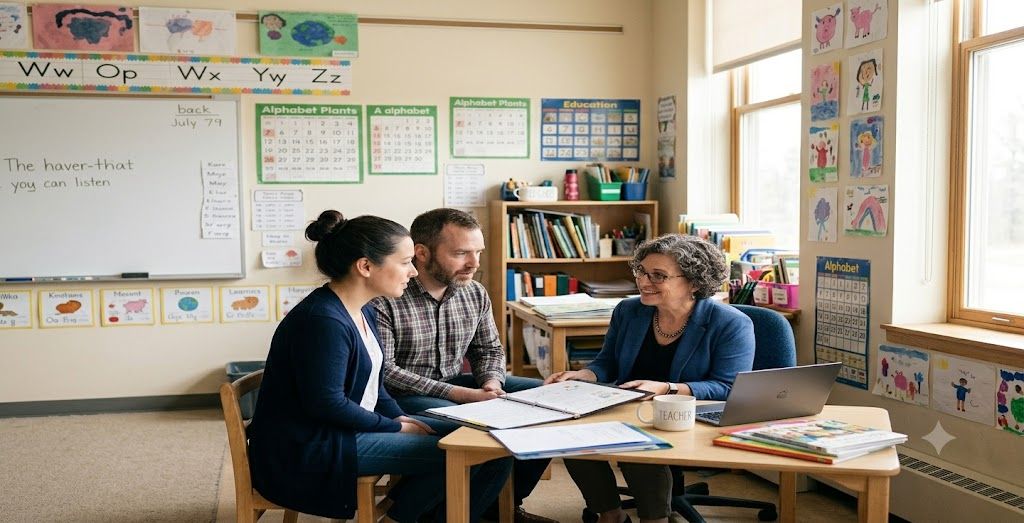
The Parent-Teacher Partnership: A Parent’s Guide to Building the Ultimate Support System
Building a strong partnership with your child's teacher is one of the best ways to boost their confidence, grades, and social skills. This guide offers simple, practical ways to build a unified support system from day one. Proactive Communication: Send a quick introductory email in the first 2–3 weeks of school, and keep the teacher updated on any major changes at home so they can offer extra support. Shared Expectations: Align home and school routines—like using "growth mindset" language during homework—to give your child a consistent, secure environment. Combine Expertise: Your deep knowledge of your child paired with the teacher's professional experience creates a strong safety net so no student slips through the cracks. By treating teachers as teammates, parents can turn school-year friction into a supportive, collaborative success.
Read more →
School Transport vs. Living Close: Managing the Real Costs of School Commutes in Dubai
Choosing between a cheaper neighborhood and a premium hub next to your child's school is a major financial decision for Dubai families. This numbers-driven breakdown compares the true cost of paying for school bus transport from a community like Jumeirah Village Circle (JVC) against paying a rental premium to live next door in a hub like Al Barsha. The Rental Premium Gap: Moving closer to premium school hubs like Al Barsha typically commands a rental premium of AED 30,000 to AED 50,000 per year for a standard family apartment or villa compared to value communities like JVC. The Compounding Bus Tax: School bus fees in Dubai average AED 8,000 to AED 12,000 per child annually; for a family with 3 children, long-distance transport costs alone can reach up to AED 36,000 per year, instantly erasing most of the rental savings. The Heavy Time Toll: Living further away subjects children to a daily time tax of 60 to 90 minutes spent in peak-hour traffic, adding significant stress and reducing time available for sleep, homework, and family life. Ultimately, this guide serves as a practical decision tool showing that cheaper rent is often an illusion once transport costs and multiple children enter the equation. By weighing the raw numbers against lifestyle quality, families can identify the true tipping point where paying a rental premium actually saves both money and peace of mind.
Read more →
Creating a Homework Sanctuary: How to Design a Study Space Kids Actually Want to Use
Creating a dedicated, sensory-friendly study space helps kids focus, build independence, and reduce study fatigue. This practical guide offers simple strategies to transform any corner of your home into an inviting homework spot—no dedicated office required. What you’ll learn: Smart Setup & Ergonomics: Why keeping study areas away from beds protects sleep and keeps kids alert. Sensory Control: How natural light and low digital distraction reduce cognitive fatigue during homework time. Routines & Organization: Simple hacks—like post-school brain breaks and portable supply caddies—that eliminate pre-homework friction. Involving your child in building their study zone builds long-term ownership, turning daily homework battles into calm, predictable wins.
Read more →